
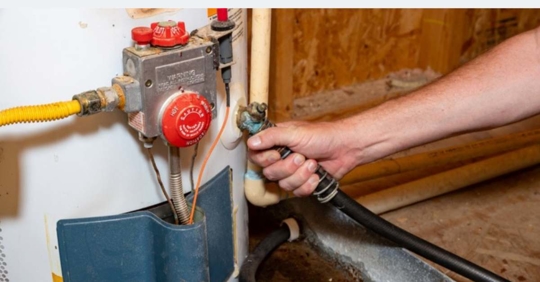
Your water heater is a vital part of your Sandy or Salt Lake City area home, especially during our chilly Utah winters. It works tirelessly to provide hot water for showers, laundry, and dishes, so it’s easy to take it for granted—until it stops working. A sudden cold shower is never a fun experience, and a leaking tank can cause significant water damage. Understanding the signs that your water heater is nearing the end of its life can help you avoid these kinds of emergencies and allow you to plan for a replacement on your own terms.
If you’re noticing any of these issues, don't wait for a complete failure. Reach out to Happy Pipes Plumbing right away by filling out our online contact form or calling us at (385) 325-7776 to get a professional opinion.
1. Getting Colder Water than Usual
Have you noticed your showers are a bit more lukewarm than they used to be? Or maybe the hot water runs out much faster than it once did? This is one of the most common early indicators that something is wrong with your water heater. It’s not necessarily a sign of an impending catastrophic failure, but it does mean your system is struggling to perform its job effectively.
This could be due to a number of reasons, such as a failing heating element in an electric unit, a buildup of sediment in the tank, or issues with the burner assembly in a gas model. Whatever the cause, it’s a sign that your water heater is becoming less efficient and could be on its way out.
2. Leaking Around the Water Heater
A puddle of water around the base of your water heater is a definite cause for concern. It's often one of the most alarming signs because it can lead to serious water damage to your floors and surrounding areas. Leaks can happen for a few reasons. One of the most common causes is a slow leak developing due to corrosion inside the tank itself. Over time, the constant pressure and heat can cause the metal to weaken, leading to tiny cracks that eventually allow water to seep out.
If you see any water, even just a small amount, it’s important to have a professional assess the situation promptly. A small leak can quickly become a large one, and once the tank itself is compromised, a replacement is often the only viable solution.
3. The Water Coming Out is a Different Color
When you turn on the hot water tap, what color is the water? If it’s cloudy, rusty, or has a brownish tint, this is a clear sign that rust and corrosion may be building up inside your water heater. The tank is made of metal, and as it gets older, the protective lining can wear away, exposing the metal to water. This leads to rust, which then mixes with your water.
You might notice this more after the water has been sitting for a while. While this doesn't mean your tank will fail tomorrow, it indicates that the structural integrity of the tank is diminishing and a complete failure is a real possibility in the not-so-distant future.
4. Strange Noises from the Tank
Water heaters are usually pretty quiet, so if yours starts making unusual sounds, it's a good idea to pay attention. Popping, rumbling, or banging noises often mean there’s a buildup of sediment at the bottom of the tank. This sediment is a collection of minerals, like calcium and magnesium, that settle out of the water over time. When the heating element or burner heats the water, it has to heat through this layer of sediment first.
The trapped air and water trying to escape through the sediment can cause those strange sounds. This buildup not only reduces the efficiency of your water heater, making it work harder and costing you more on your energy bill, but it can also shorten the lifespan of the unit by causing it to overheat.
5. Your Water Heater is Getting Old
Just like any other appliance in your home, a water heater has a limited lifespan. The average lifespan of a traditional tank-style water heater is generally between 8 and 12 years. If you’re not sure how old your water heater is, you can usually find the age on the manufacturer’s sticker, which is a label on the side of the tank. The sticker will include a serial number, which often contains the date of manufacture.
As a water heater gets older, its parts begin to wear out, and its efficiency declines. If your water heater is over a decade old and you’re experiencing any of the other warning signs on this list, it’s likely time to consider a replacement. Thinking about a new heating unit? We offer a wide range of water heater services to meet your specific needs.
6. A Sudden Drop in Water Pressure
Another sign to watch out for is a sudden or noticeable decrease in hot water pressure. This can sometimes be a sign of a sediment buildup or corrosion within the tank, which can restrict the flow of water. The buildup can accumulate in the tank and a part called the dip tube, which brings cold water in and sends hot water out.
When these components get clogged, the water flow is restricted, resulting in lower pressure from your hot water taps. While other plumbing issues can cause a pressure drop, if it's specifically affecting your hot water, it's a good idea to consider your water heater as the source.
7. Rust on the Water Heater Itself
Inspect the outside of your water heater for any signs of rust. While a small amount of surface rust on external components might not be a major issue, if you see rust on the tank itself or around the pressure relief valve, it's a serious indicator that the integrity of the tank is compromised.
Rust on the outside is often a sign of rust on the inside, and once corrosion takes hold of the tank, it's only a matter of time before it starts to leak. If you spot rust in these critical areas, it’s a strong signal that the tank is failing and a replacement is likely necessary to prevent a more significant problem.
What to Do if You Spot These Signs
Discovering any of these signs can feel stressful, but taking action now can save you from a major inconvenience later. The first step is to have a professional plumber assess your situation. They can diagnose the issue accurately and let you know if a simple repair is possible or if a replacement is the smarter, more cost-effective long-term solution. Here is a list of things to keep in mind when you notice an issue:
- Don't ignore the signs. Small problems can quickly escalate into bigger ones.
- Safety first. If you suspect a gas leak or other immediate danger, shut off the gas and water supply and call for help.
- Regular maintenance is key. Having your water heater professionally checked and flushed annually can help you catch small issues before they become big ones and extend the life of your unit.
Catching these warning signs early and taking action can prevent a lot of stress and mess. Whether it's a simple fix or a new installation, a qualified plumber can guide you through the process and help you make the best decision for your home.
Time for a Water Heater Inspection? Let Our Experts Help.
If you’ve noticed any of these warning signs, or if you simply want the peace of mind that comes with a professional inspection, our team at Happy Pipes Plumbing is ready to assist. We understand the unique needs of homes in Sandy and the greater Salt Lake City area and can provide you with a clear, straightforward assessment and various solutions.
Don't wait for your hot water to disappear completely. Get in touch with us today through our online contact form or give us a call at (385) 325-7776 to schedule a visit.